Mummies, skulls, sulfur fumes, or Kabayan and its surroundings
January 4, 2017
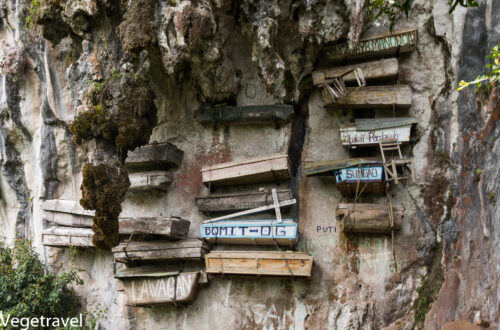
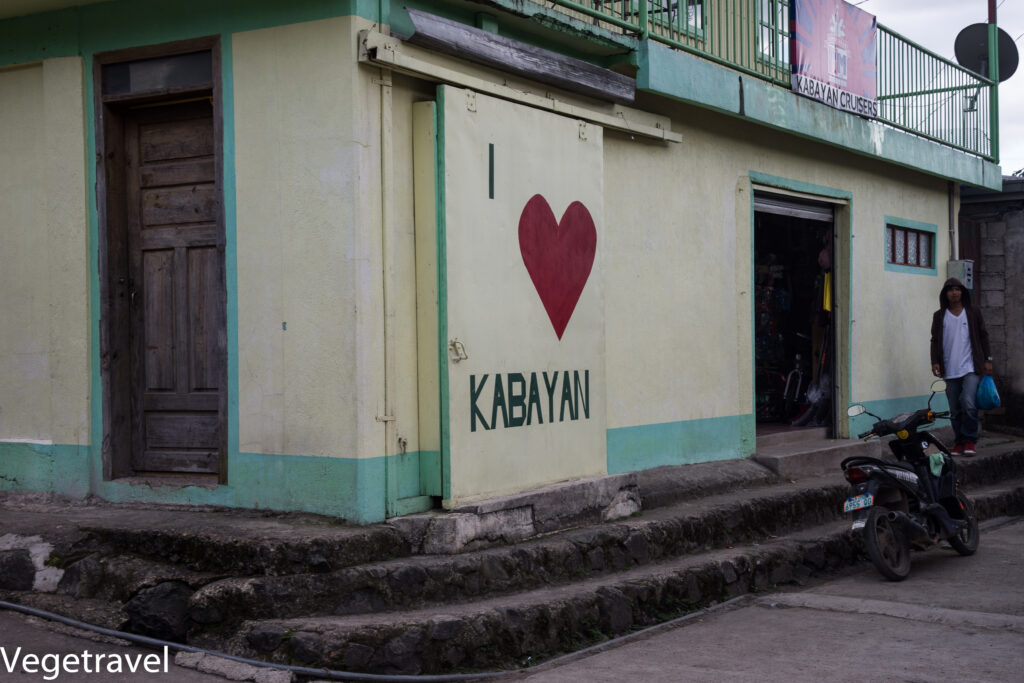
The mummies at Kabayan aren't exactly a mass-tourism destination. But we'd already seen the hanging coffins, so the logical next step was to see the mummies right there, at Kabayan.
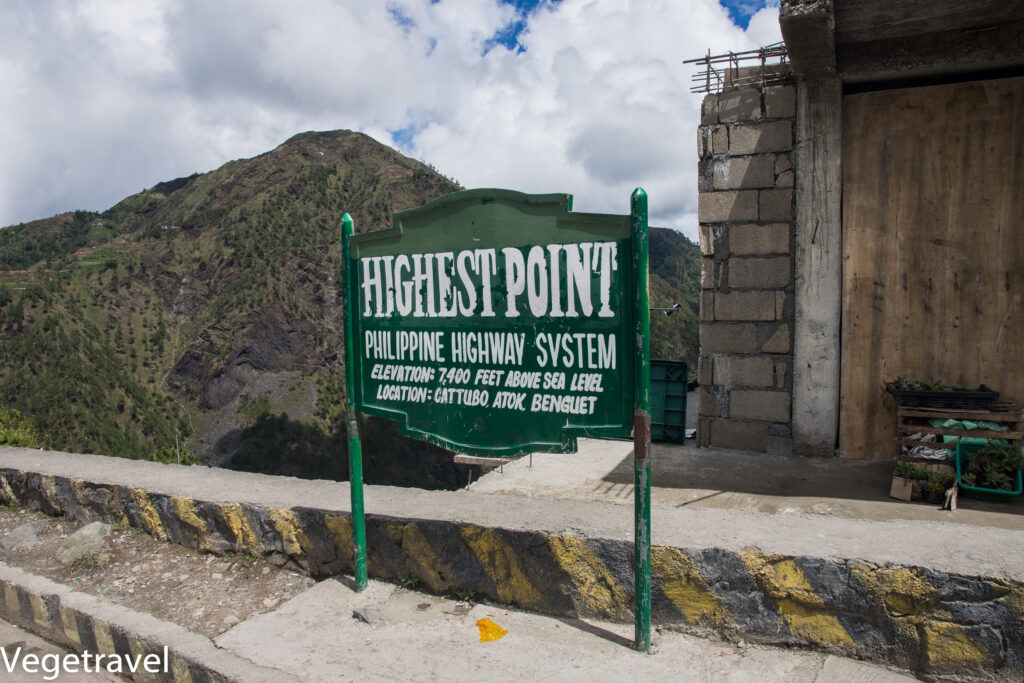
We arranged with drivers to take us from Banaue to Baguio. For 4,000 pesos, they would take us to Kabayan and show us a few attractions along the way. After the marathon of the previous days, there was no way we could wake up early, so we didn't set off until around 10 a.m. The road was classic for the northern Philippines: seventy kilometers and well over two hours. Endless hairpin bends. It's the highest road in the country, with its highest point at about 2,300 meters above sea level.
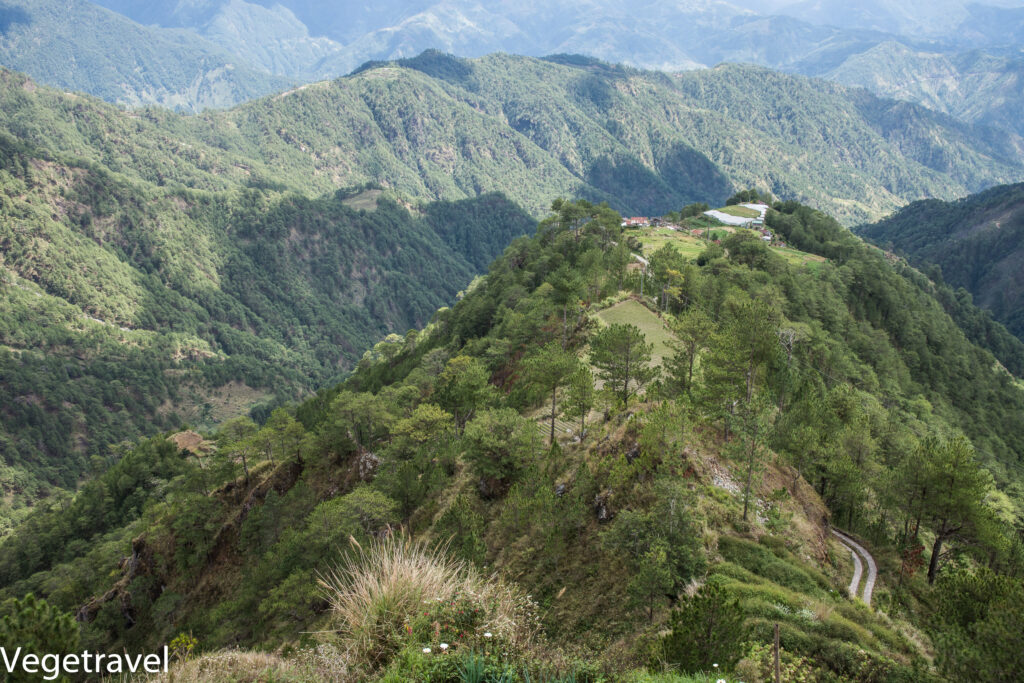
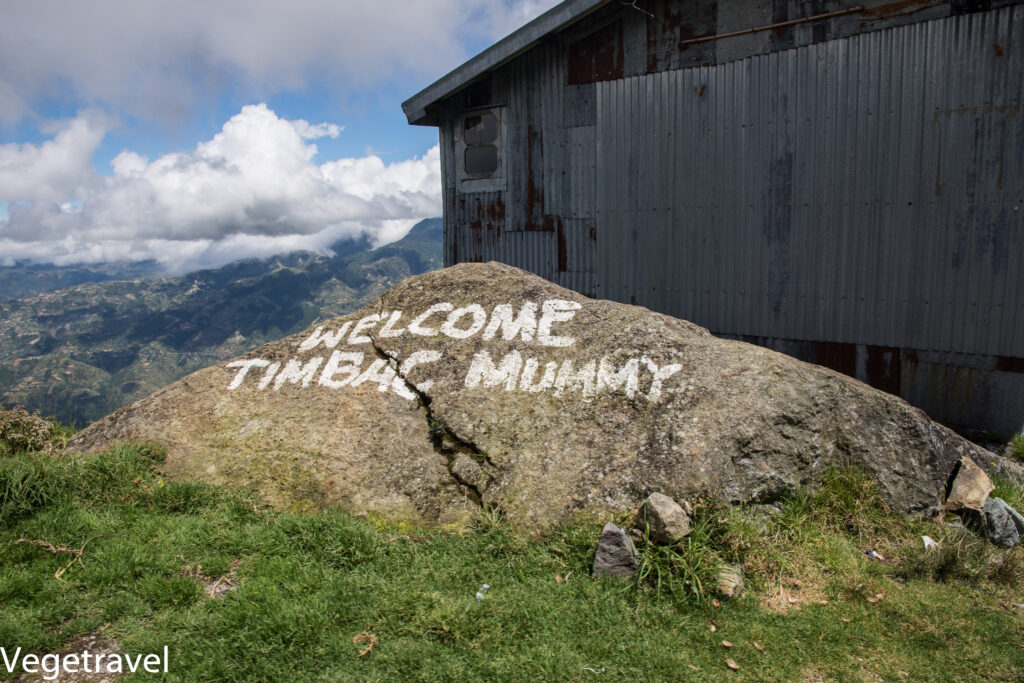
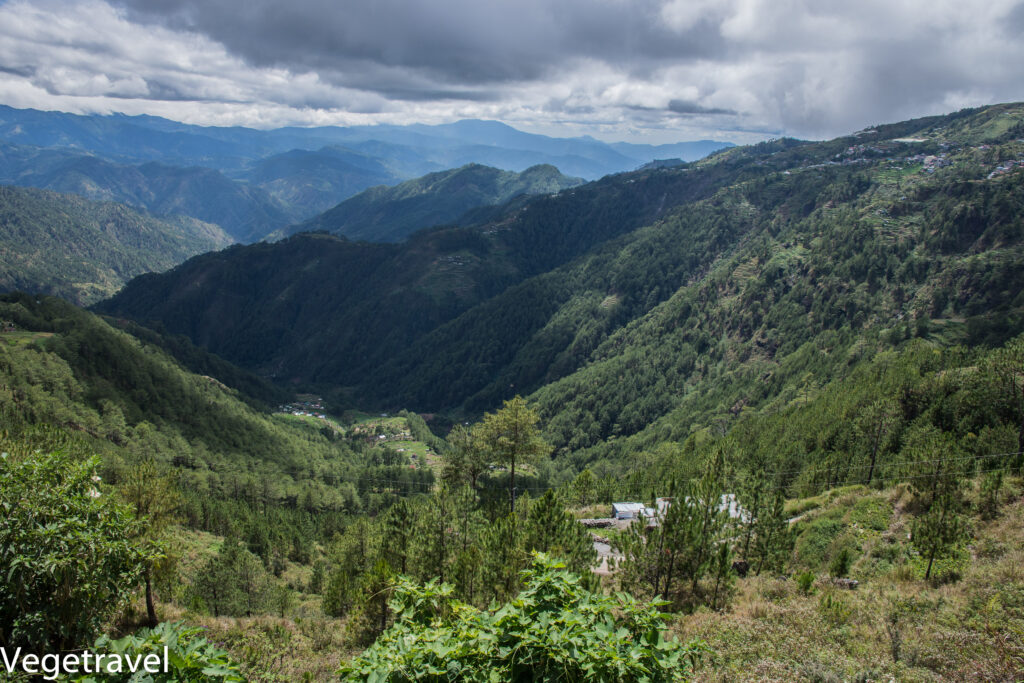
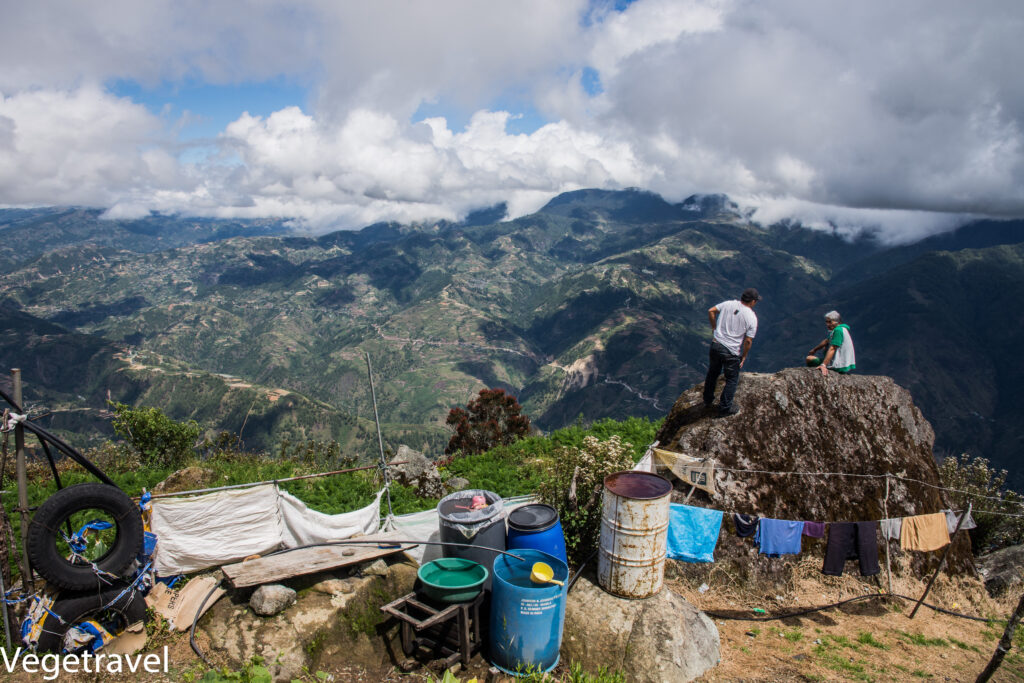
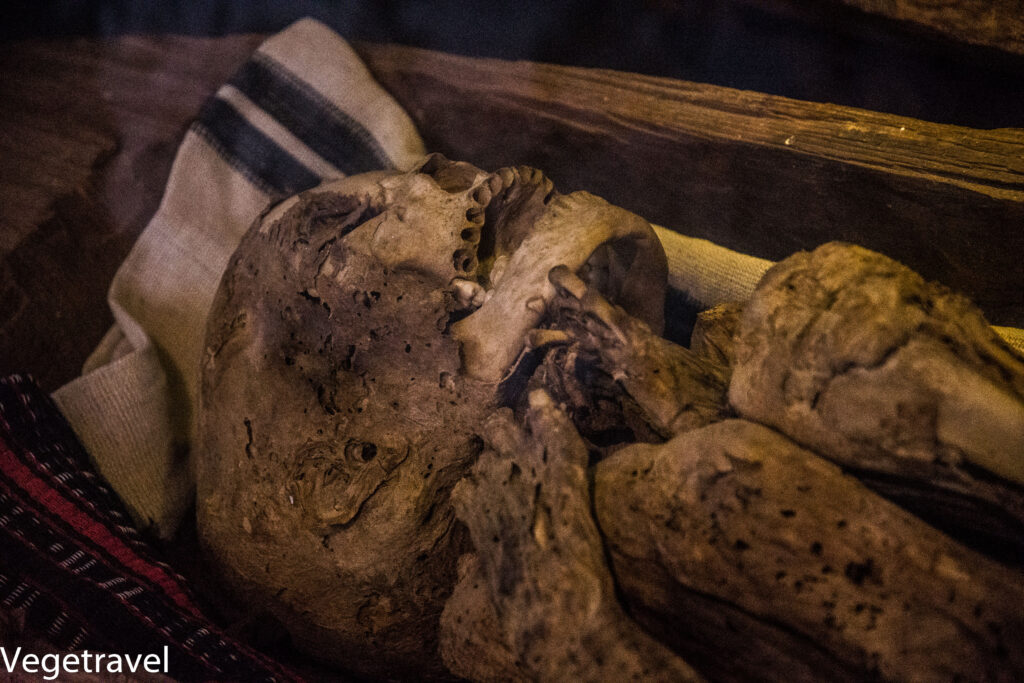
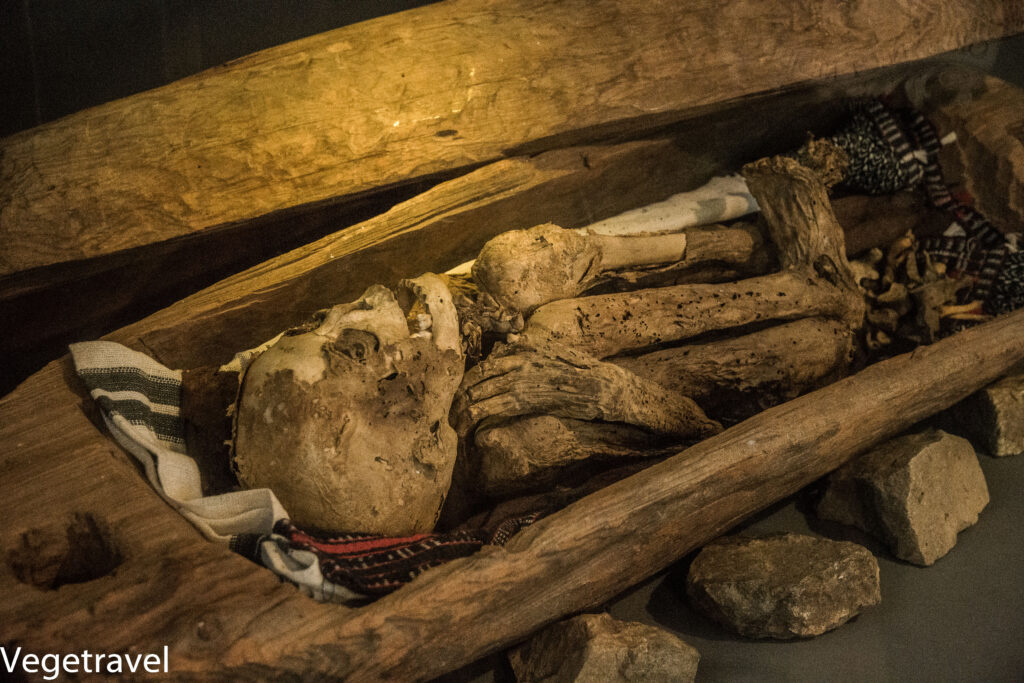
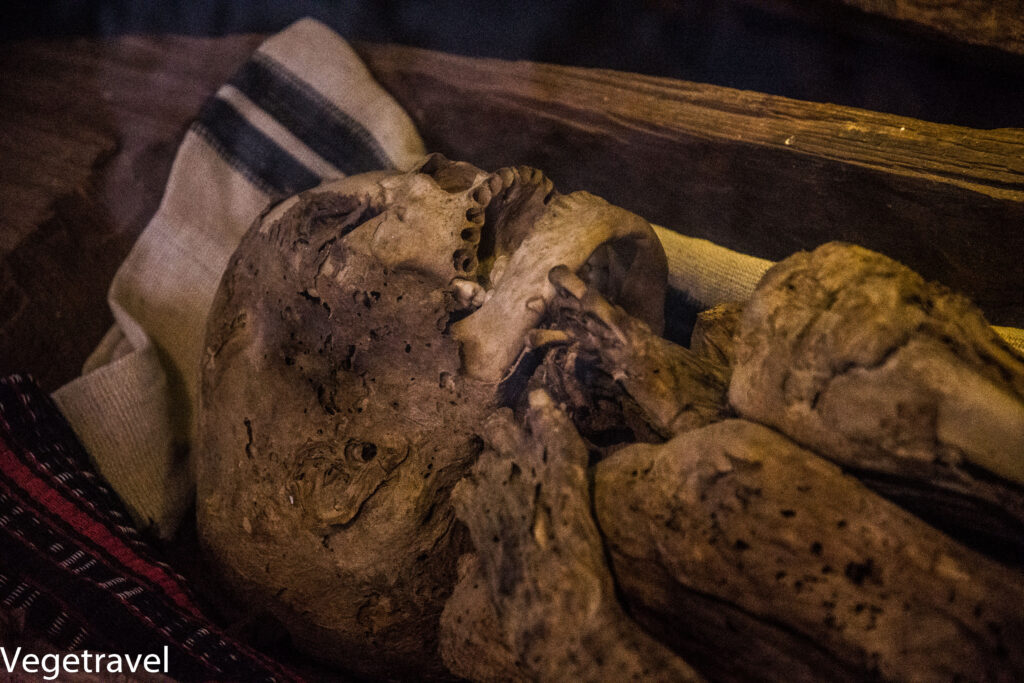
The mummies we were visiting are found in caves in the hills near Kabayan. The oldest are said to be over four thousand years old, the newest dating back to the 11th century. What's most fascinating, and at the same time slightly disturbing, is that the mummification process began while the victim was still alive. The victim drank a very salty drink, and after death, the body was washed, placed in a sitting position, and smoked over a fire. Tobacco smoke was forced into the mouth to dry the entrails. Finally, herbs were rubbed onto the body and placed in a coffin. This tradition disappeared in the 16th century with the Spanish colonization of the Philippines.
An unpleasant surprise awaited us upon arrival. The mummy's keeper had gone to Baguio and brought the keys with him. The first gate was chained but unlocked, so there was hope. We descended the steep stairs to the first cave, but it was locked, and the mummies were in coffins behind bars. The next cave also proved inaccessible. Seeing our disappointment, the driver decided to take us to the museum where the mummy was supposedly kept.
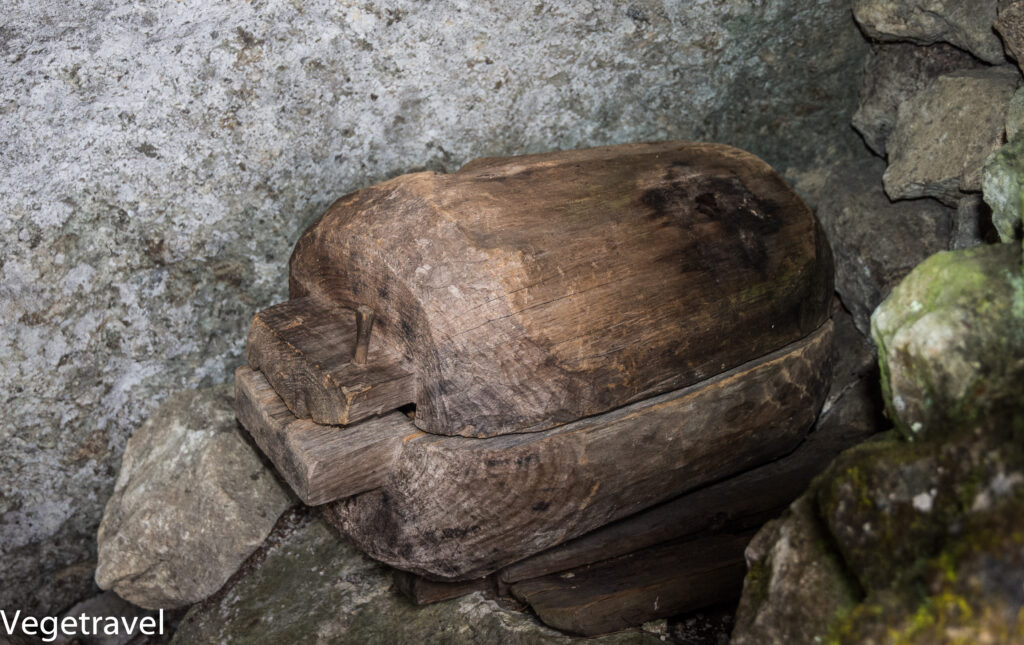
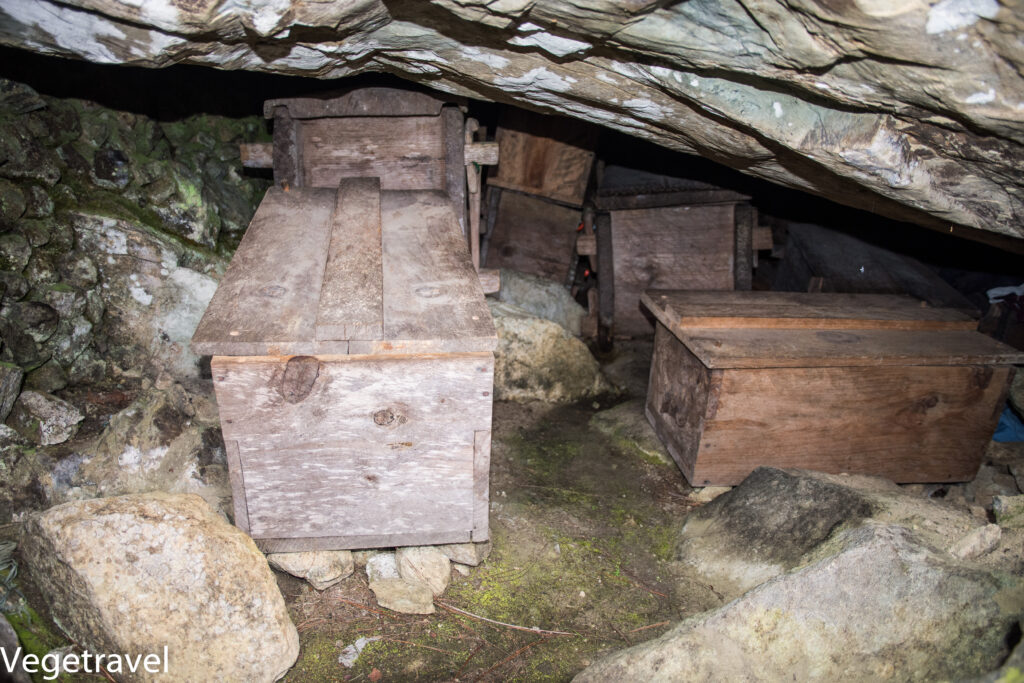
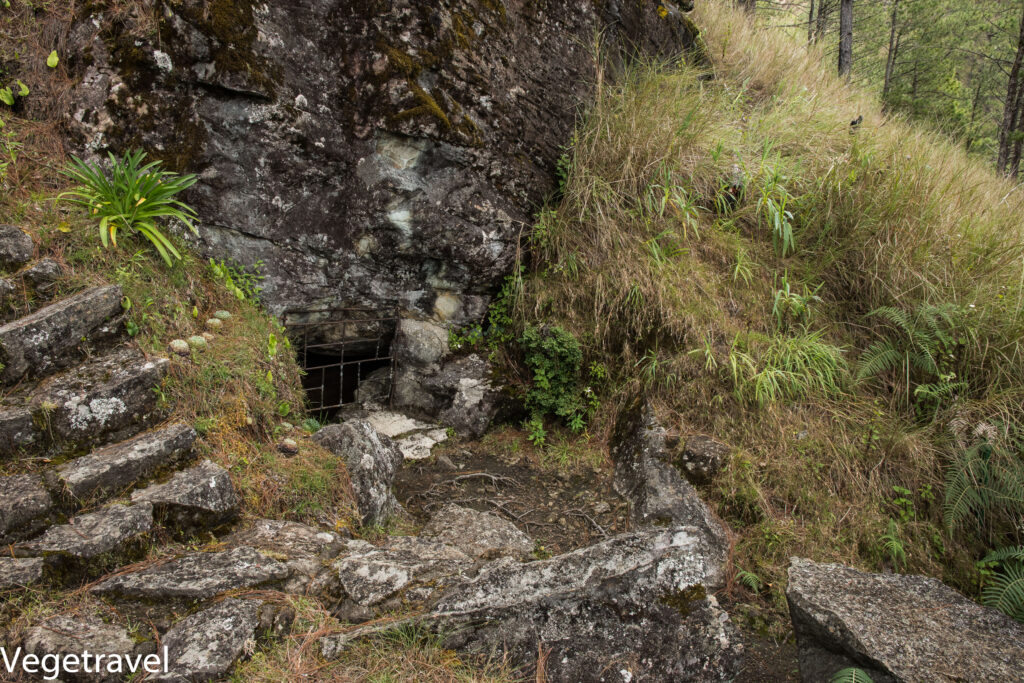
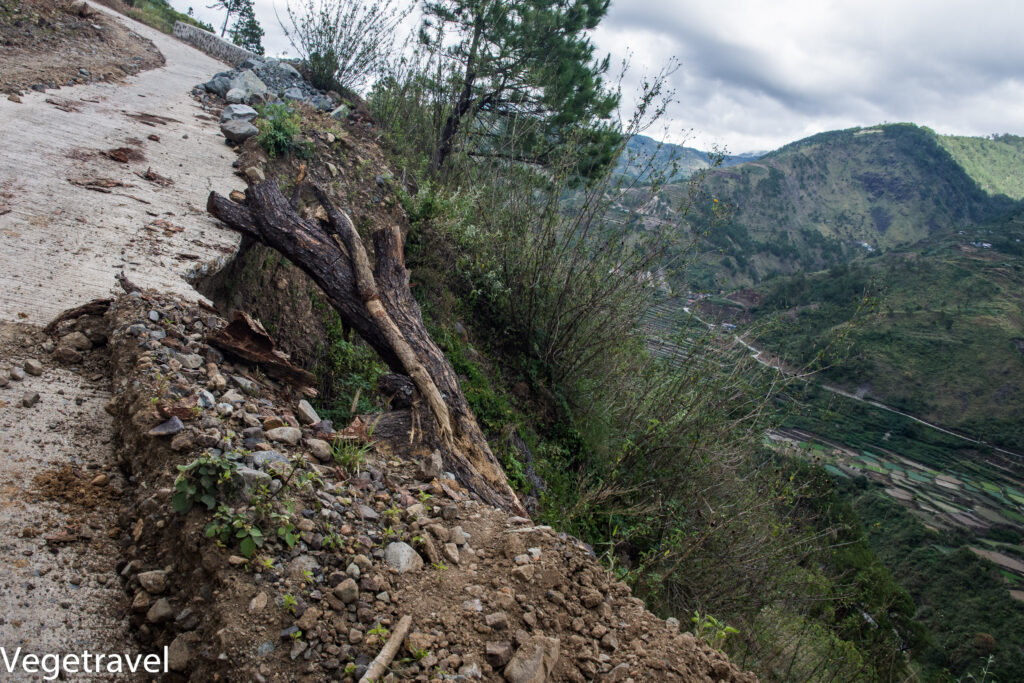
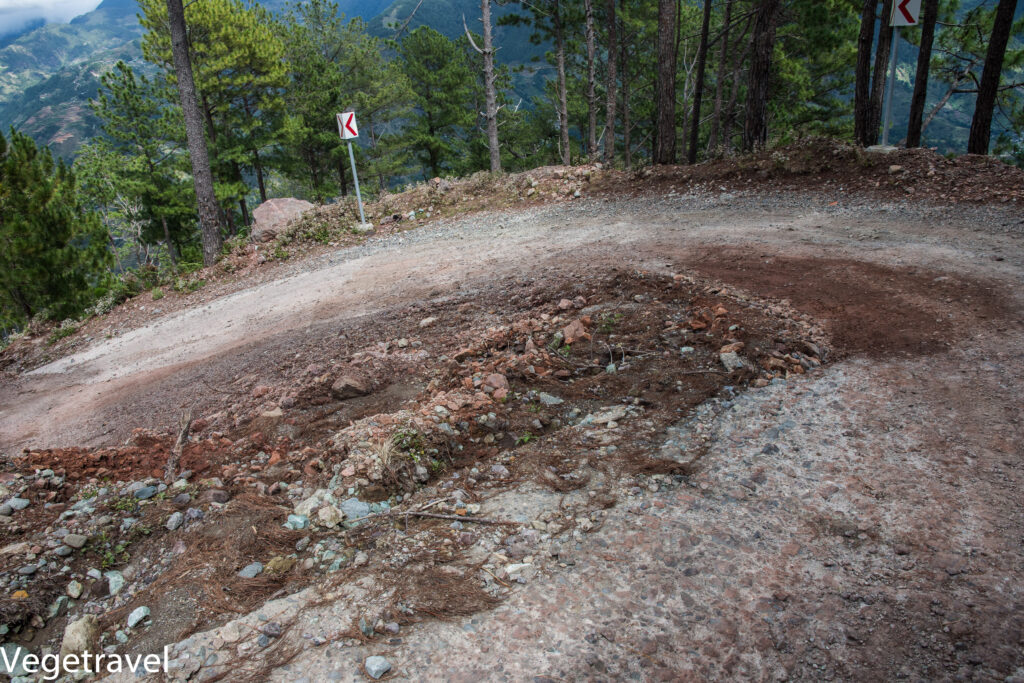
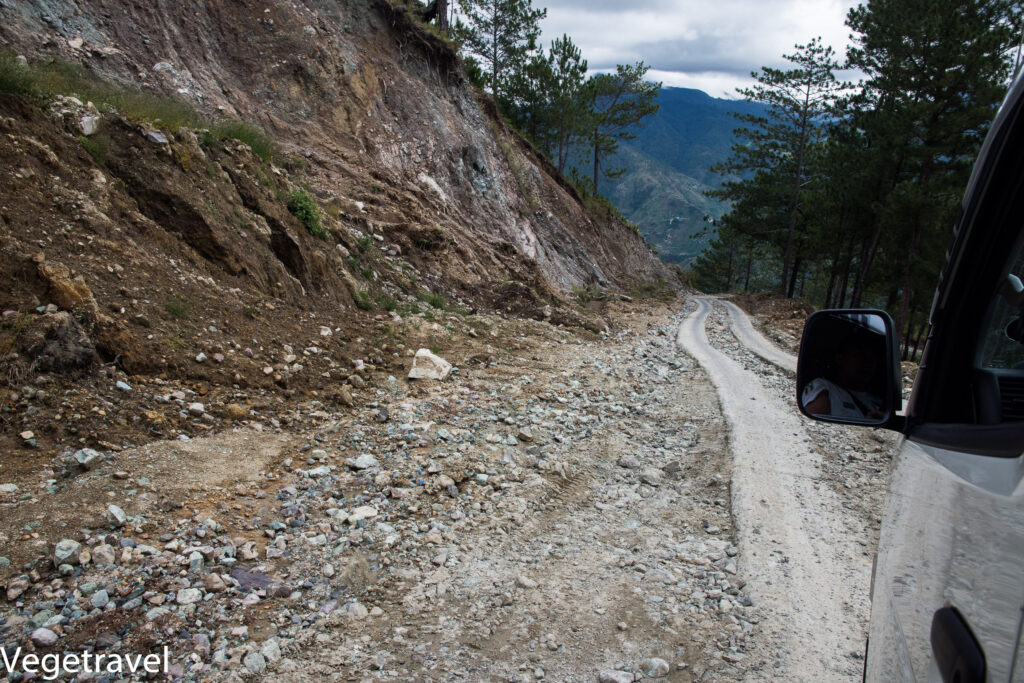
A new, excellent asphalt road was supposed to lead there. At first, the road looked promising, but it quickly turned into a nightmare. Steep descents, rock slides, hairpin bends, and sections where the road was two narrow lanes, each about a tire wide. At one point, we encountered a truck coming from the opposite direction. A rock face on one side, a cliff on the other. After a few minutes of nervous maneuvering, we managed to get through. How, to this day, I don't know.
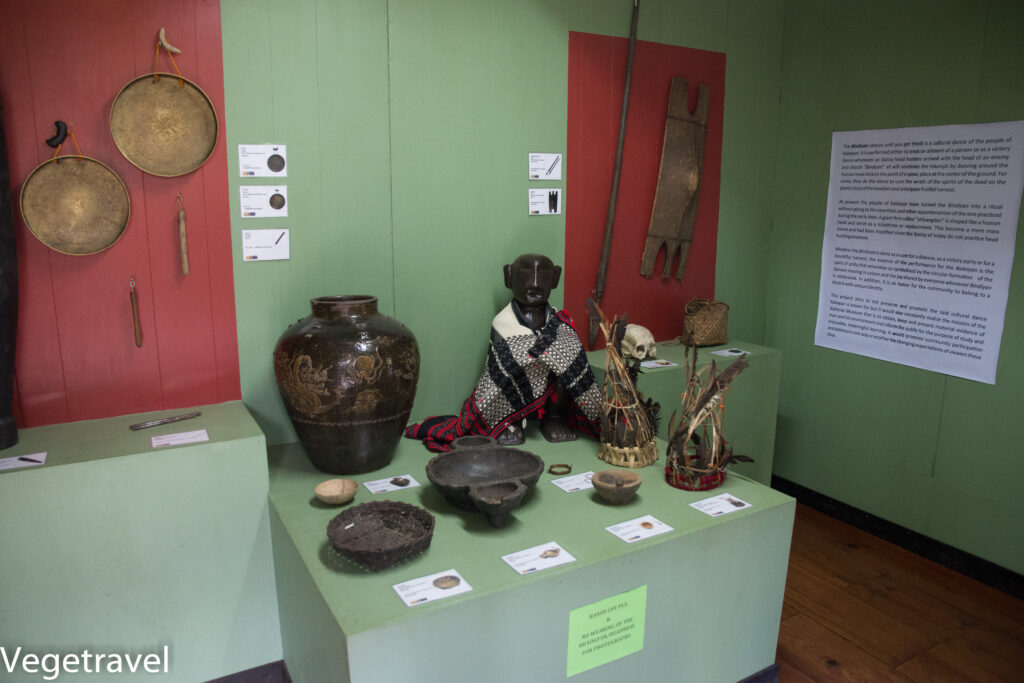
It turned out we'd stumbled upon a small branch of the National Museum. Admission was free, and there weren't many exhibits, but there was a mummy. Behind glass, meticulously photographed. Our dark curiosity had finally been satisfied.
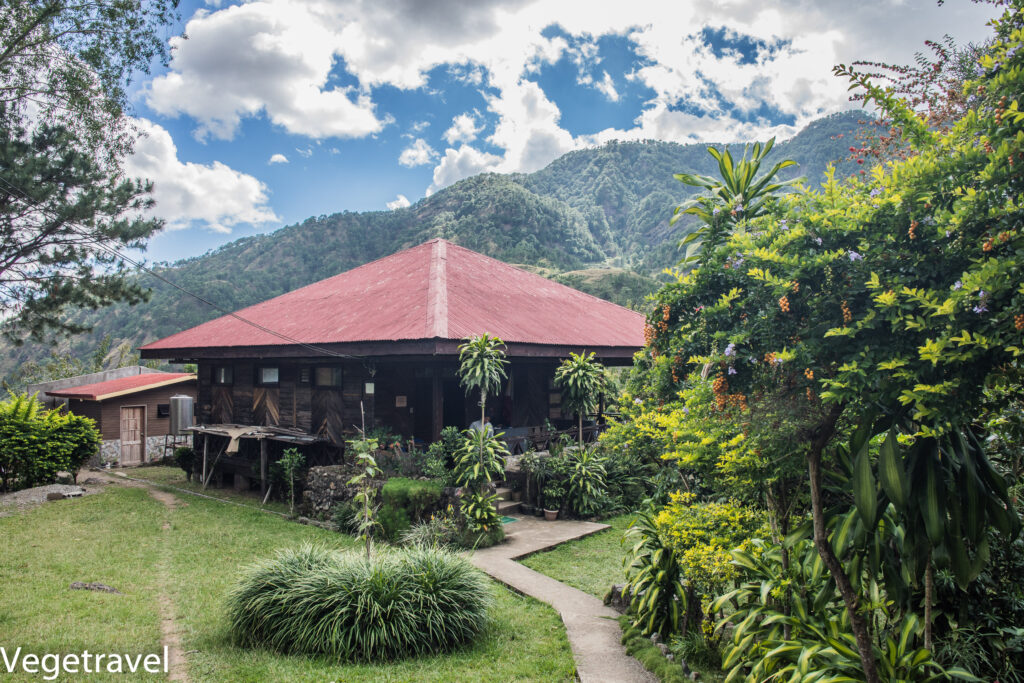
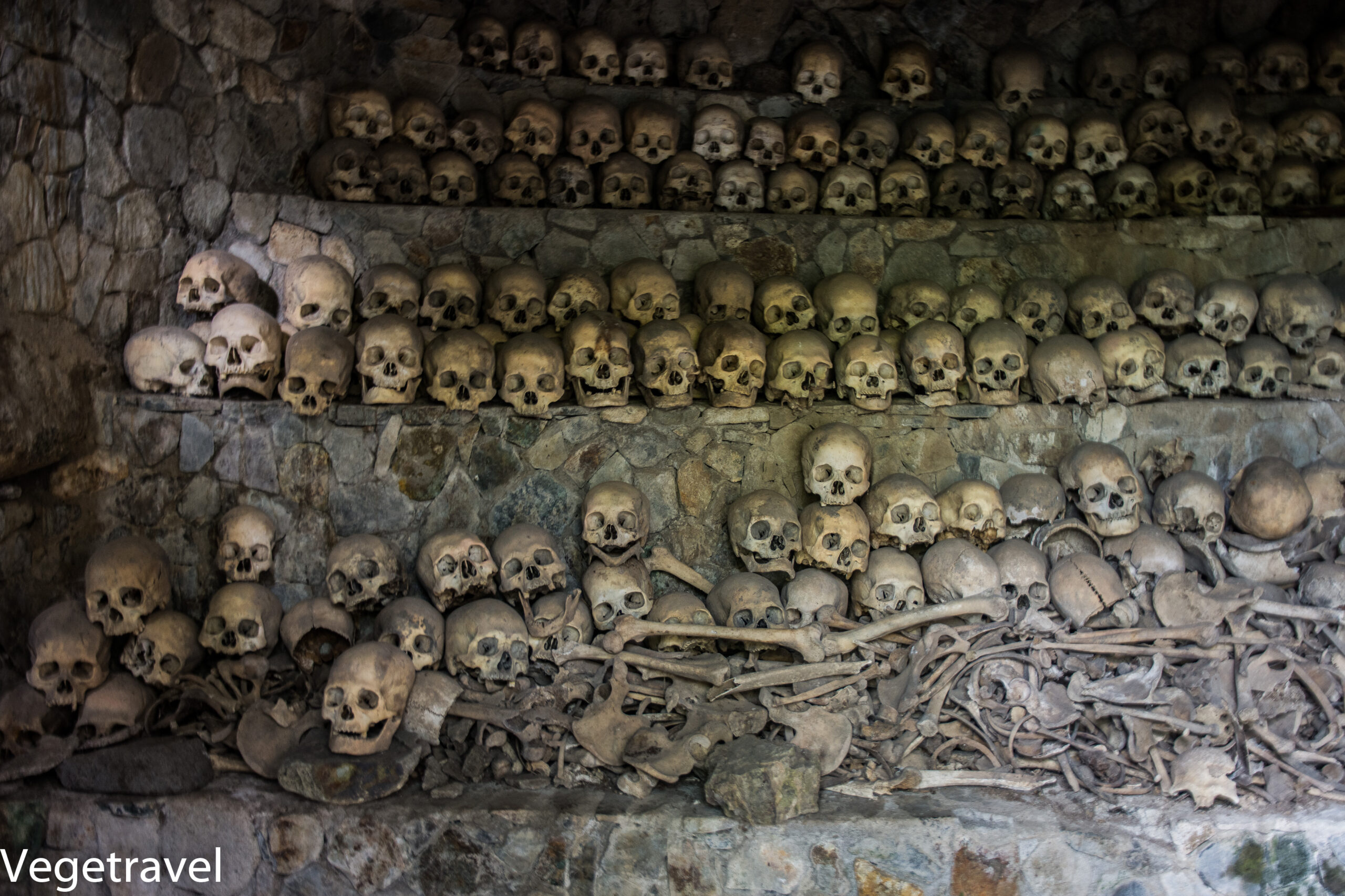
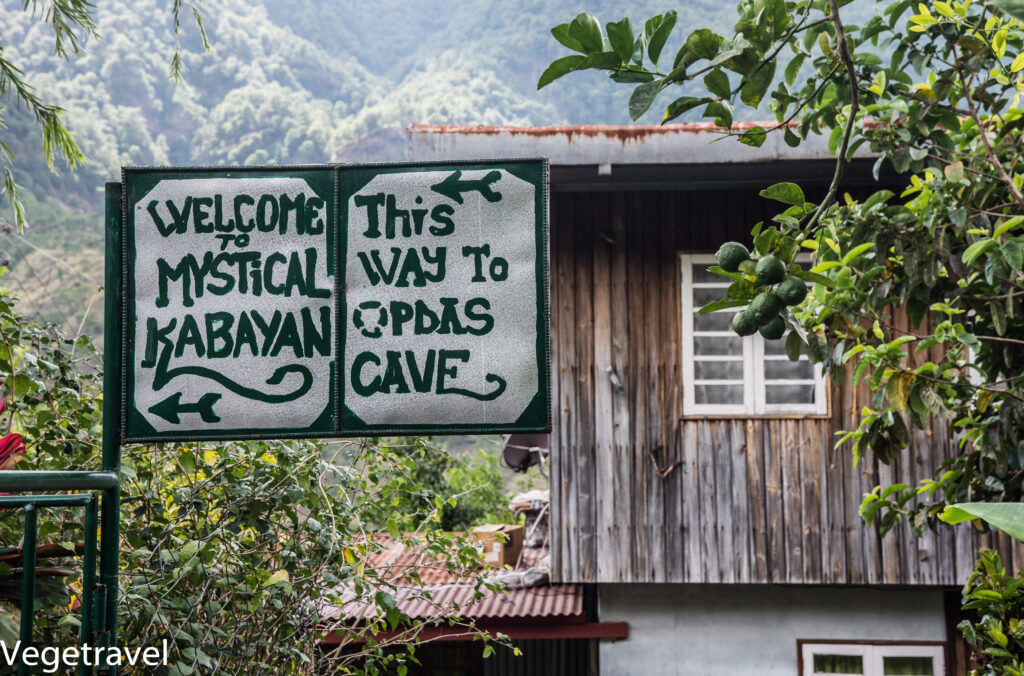
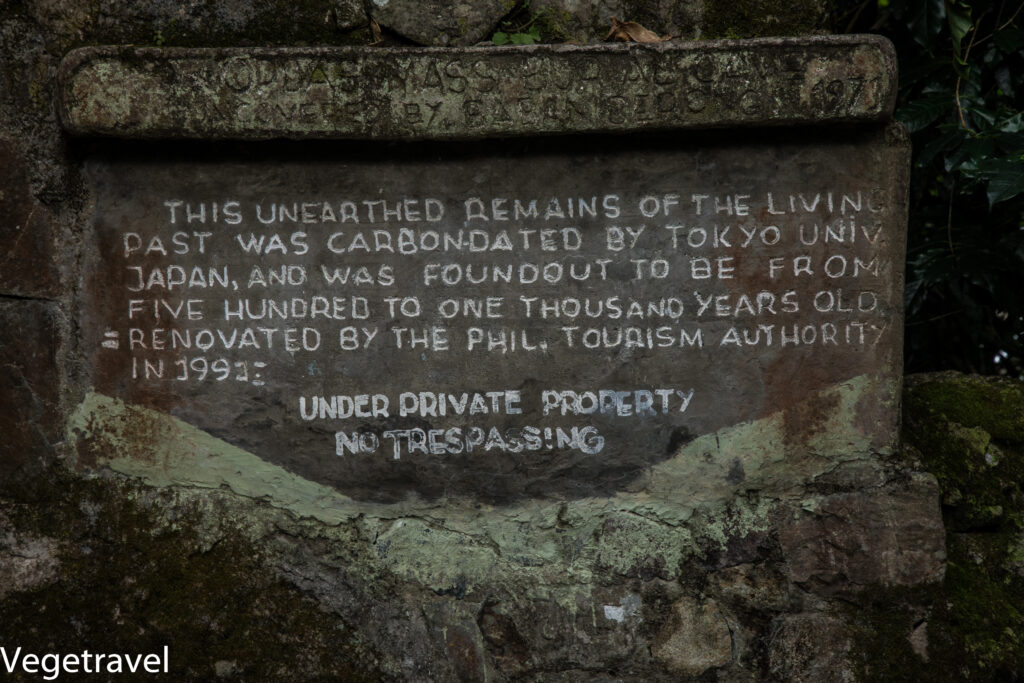
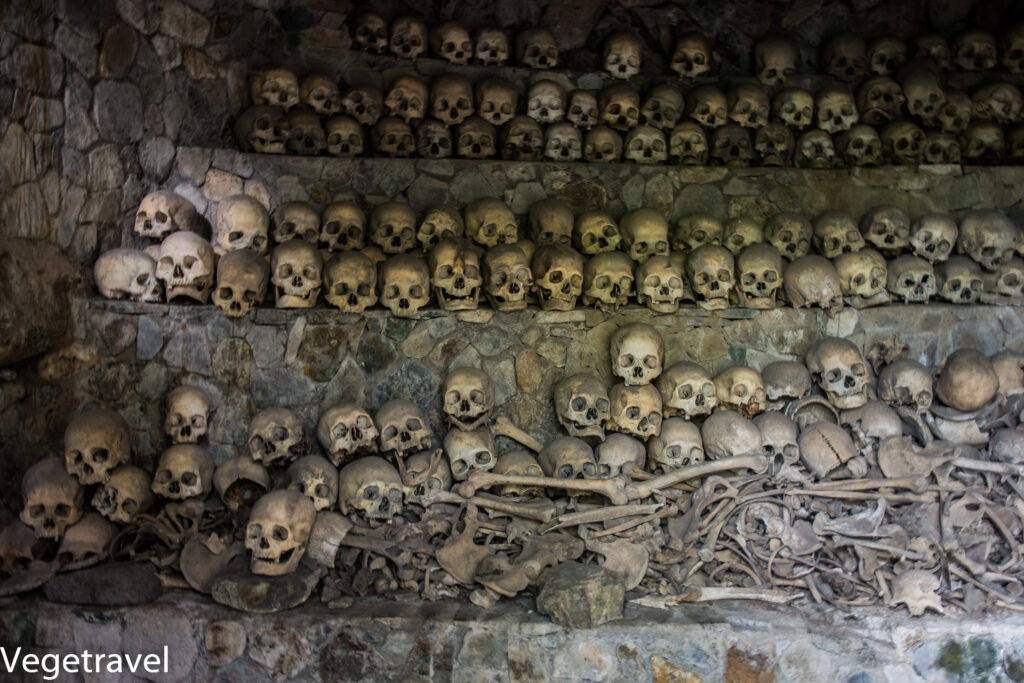
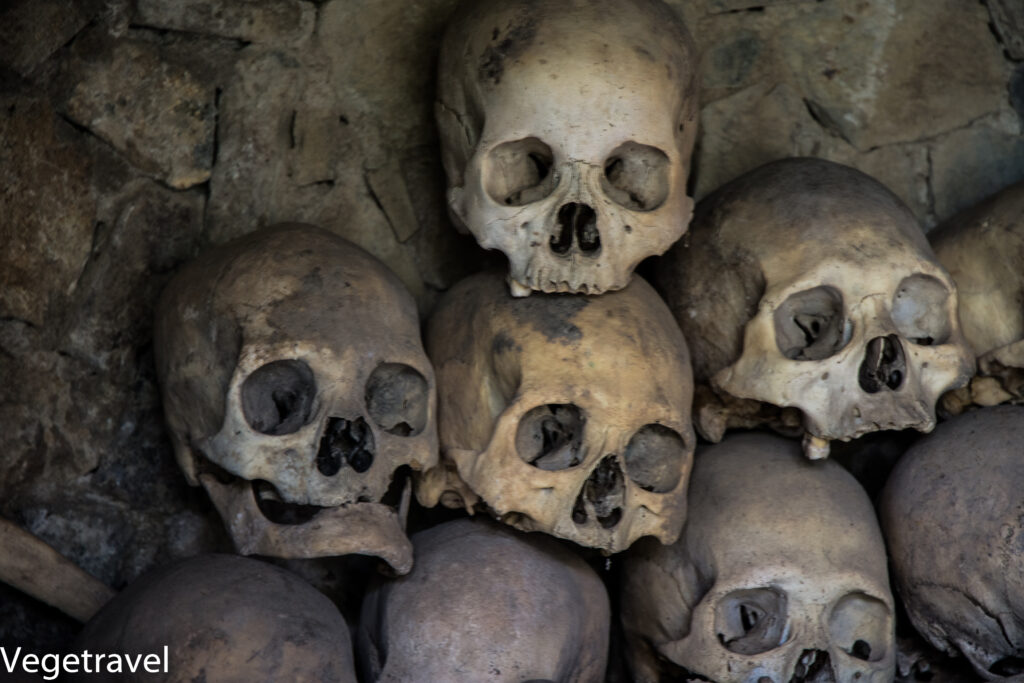
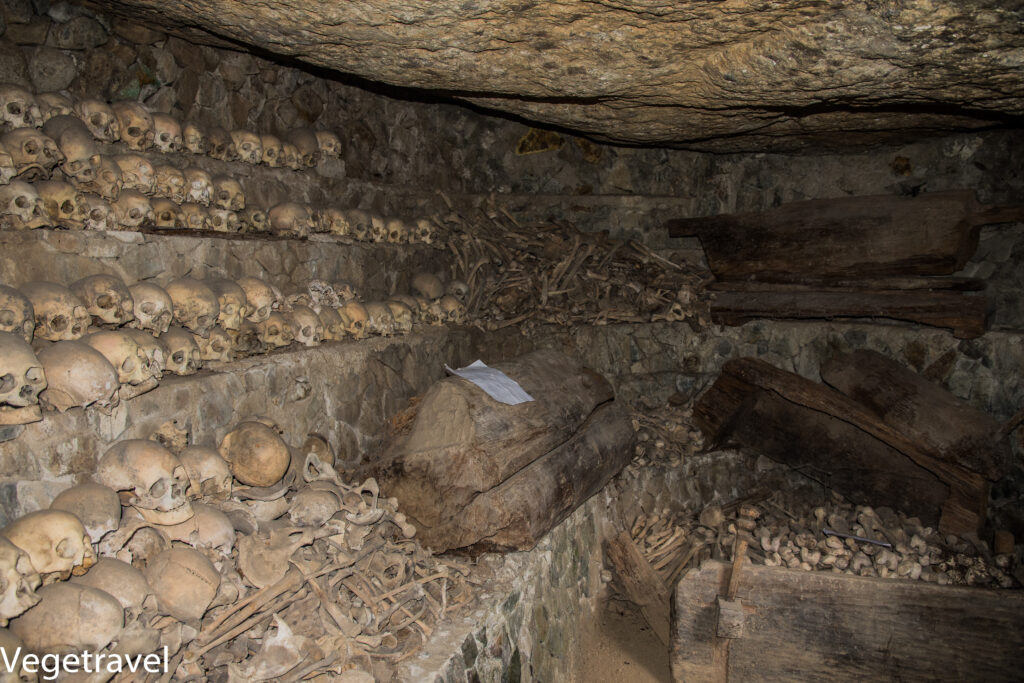
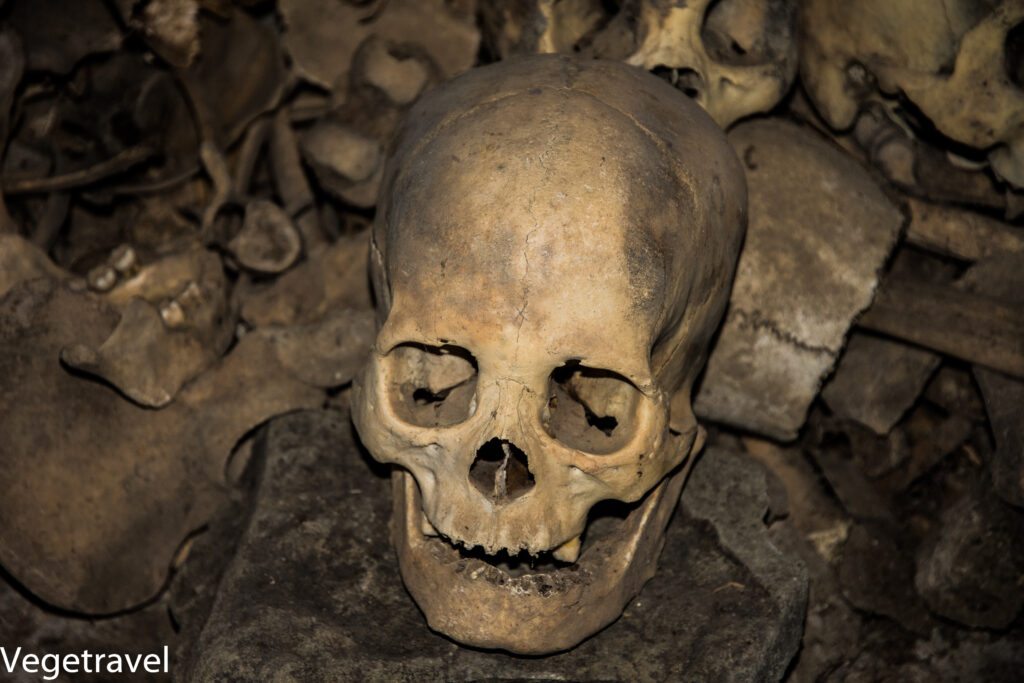
Then things got even more interesting. The driver took us through private property, passing a sign that read "Mystical Kabayan." After a while, we descended a flight of stairs and saw skulls. We arrived at the Opdas Mass Burial Cave, a mass grave discovered in 1971. There are about a hundred skulls there, each between five hundred and a thousand years old. It's like something out of a horror movie, only completely real.
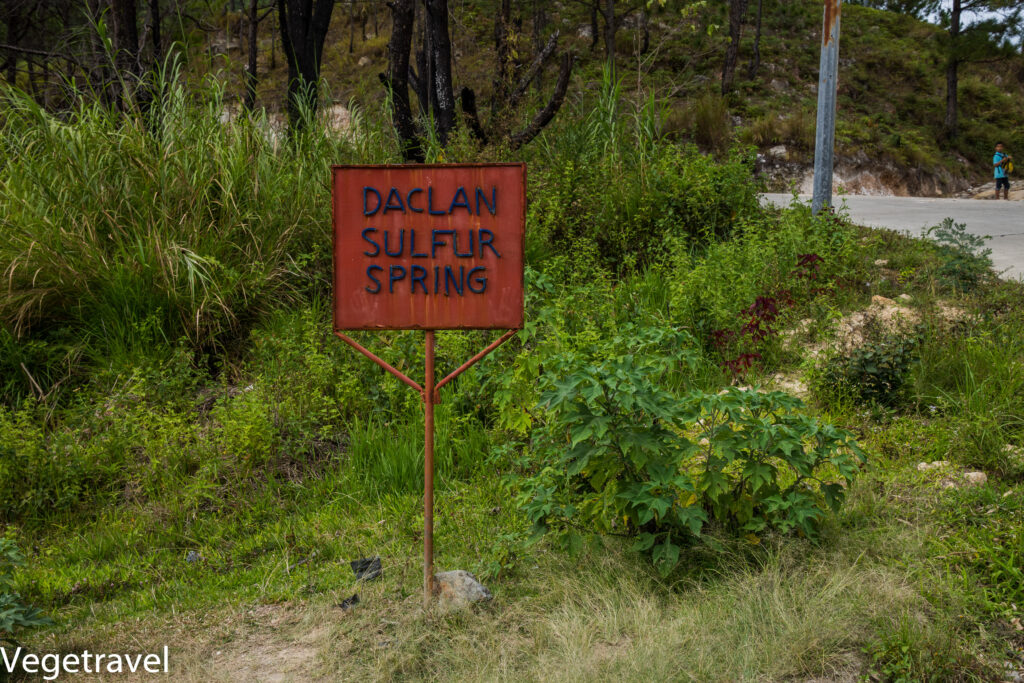
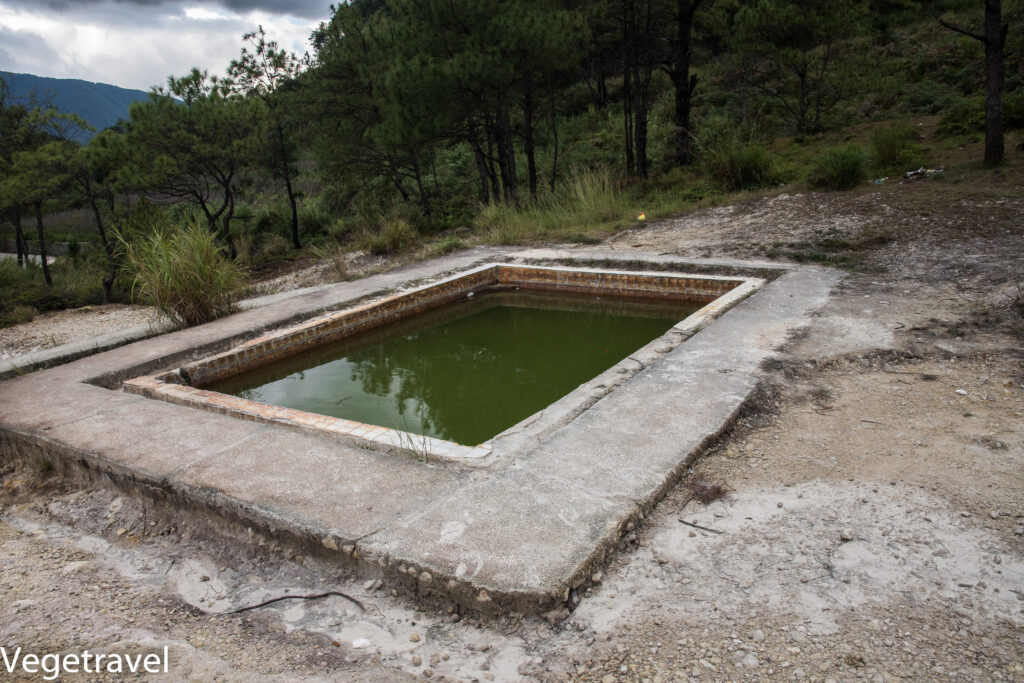
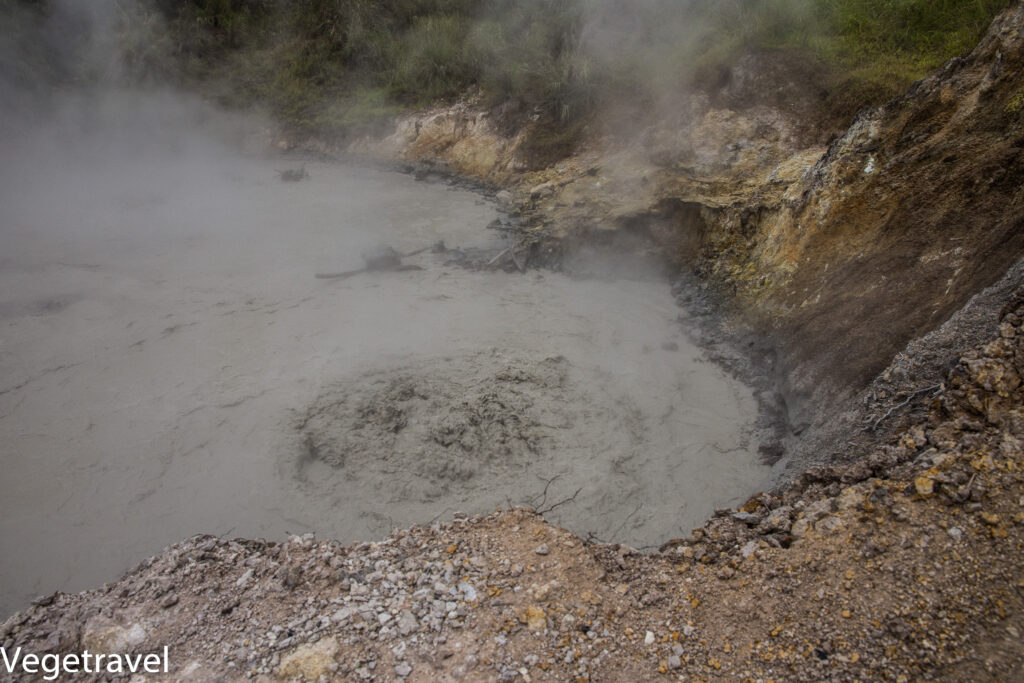
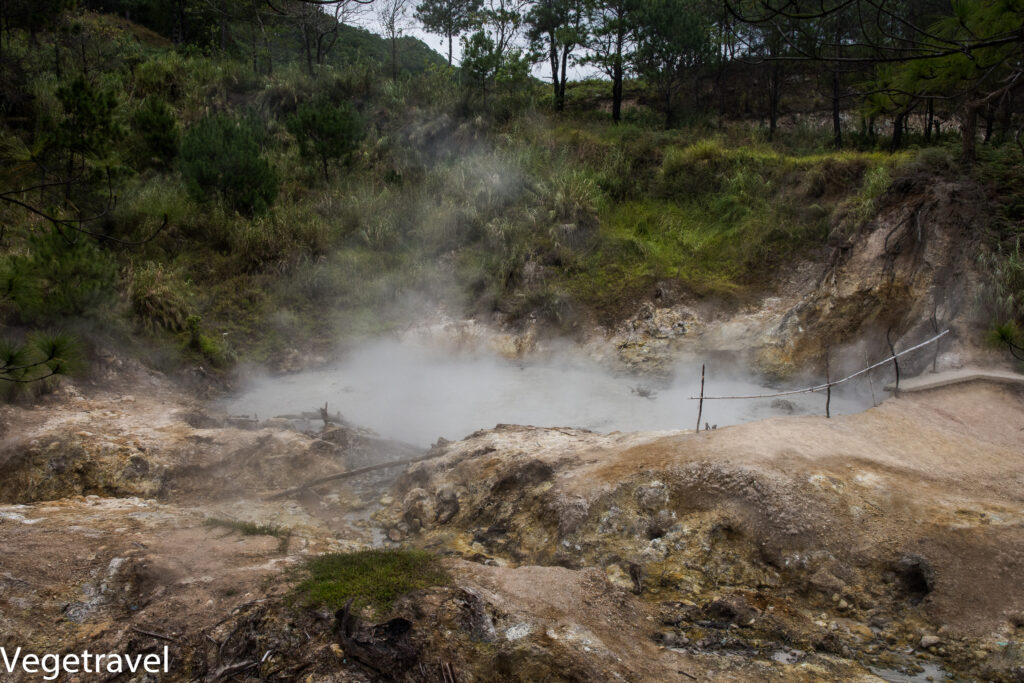
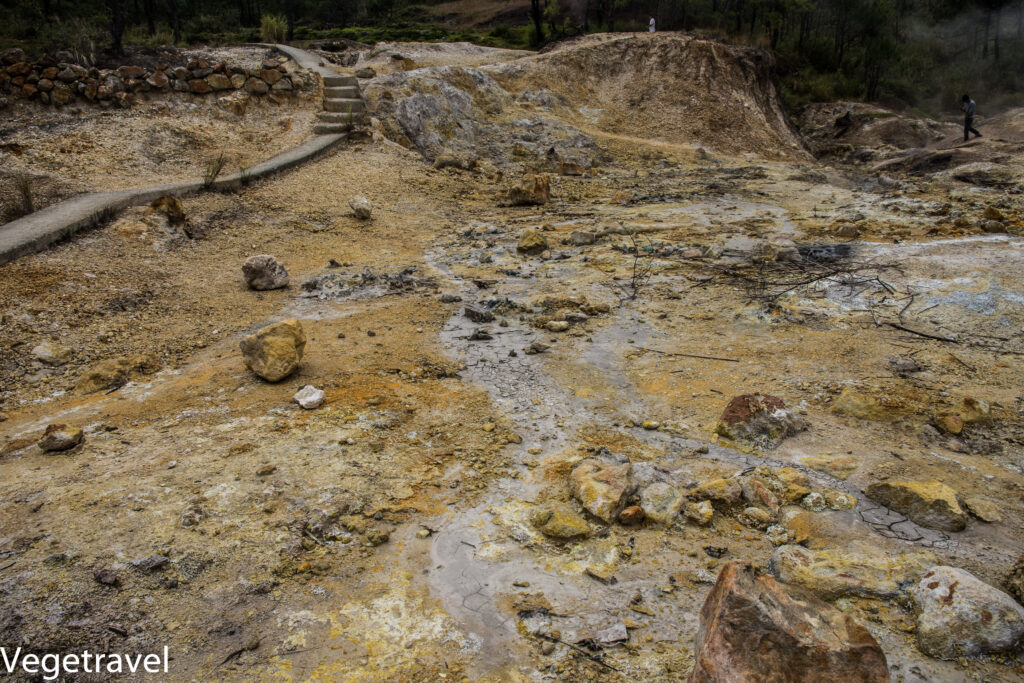
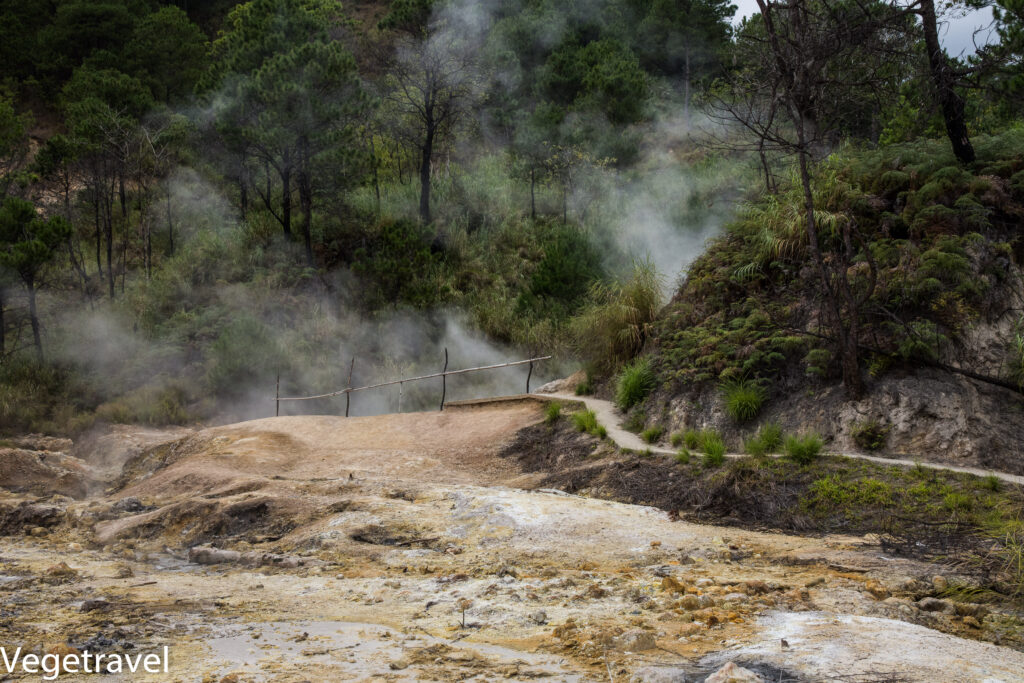
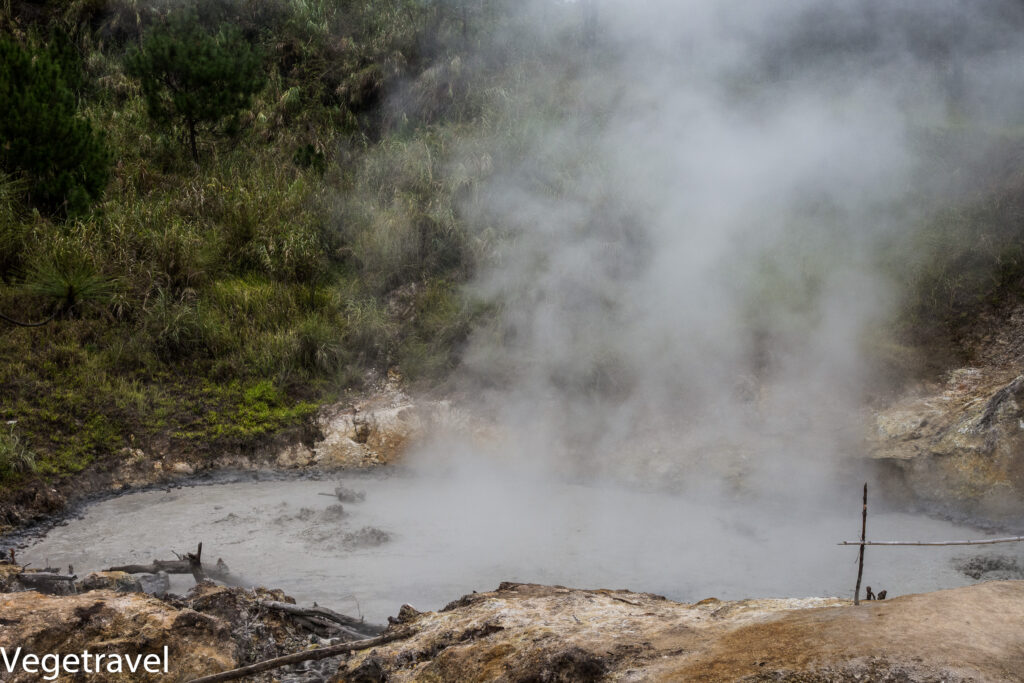
Finally, we visited the Daclan Sulphur Springs. Sulphur was everywhere, and you could see it, but the most impressive thing was the bubbling, steaming pool. It looked like the gates of hell and smelled exactly as you'd expect. On that stinking note, we concluded our tour of the northern Philippines. Then it was back to Baguio, a bus to Manila, and a flight to Bohol. A welcome relief for the nose.