Batad Rice Terraces – Trekking through the Philippines' UNESCO Wonder
March 4, 2017
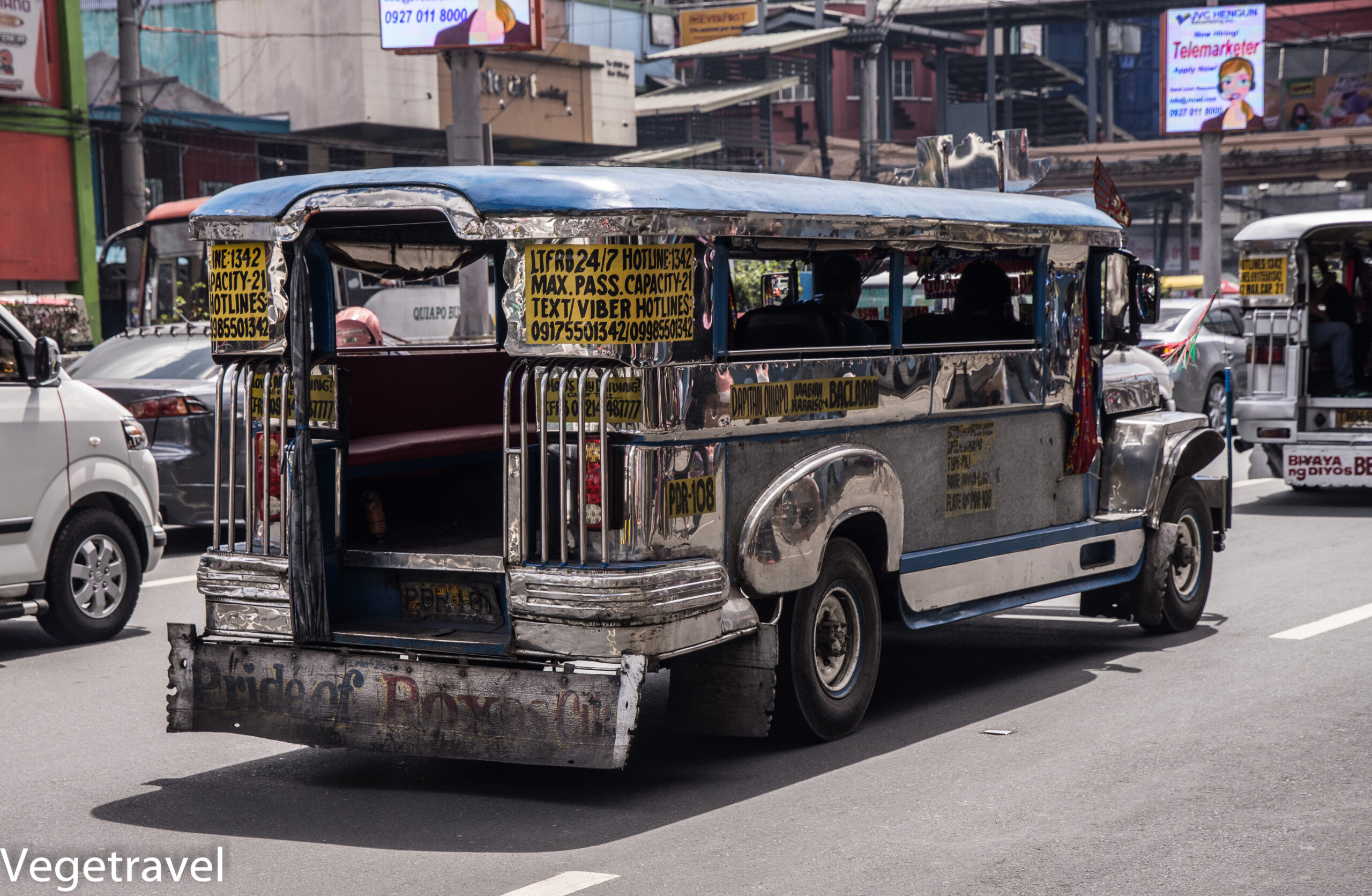
Getting to Batad and jeepney attractions
We planned a trip to Batad that day to explore the rice terraces. We once again enlisted the services of our local mafia boss. For 4,000 pesos, we had a full-day package that included jeepney transportation, a guide, trekking through the terraces, a waterfall descent, and a visit to a traditional village. We set off early in the morning because we had to catch the 5:30 PM bus to Baguio.
Riding a jeepney was a completely different story. You had to be careful not to lose your teeth, hit the ceiling with your head, and fall overboard on the numerous hairpin bends. Along the way, we passed local villages and smaller rice terraces, but while the views were beautiful, the road itself was less so. Besides the numerous hairpin bends, you constantly had to avoid rocks sliding onto the road, and at times, you could see sections of the road simply disappear into the abyss. The trek through the terraces proved quite intense, first steeply downhill, then steeply uphill. At the very end, however, it turned out that the guide knew how to smile; the smile never left his face after the tip.


Trekking in the Batad Rice Terraces
After over an hour, we arrived at the spot where a local guide was waiting for us. This time, we weren't so lucky; we were met by a taciturn boor. The trek itself proved quite intense, first steeply downhill, then equally steeply uphill. At the end, a surprise: it turned out our guide could smile after all, and the smile didn't leave his face when he received a tip.
I'd read earlier that the Batad rice terraces are about 2,000 years old and are a UNESCO World Heritage Site. It's no wonder they're so impressive. We didn't learn much from the guide, so we had to pry everything out of him with questions. I was most intrigued by the different colors of the rice, especially the intensely green plots. It turned out to be the so-called mother rice, from which the next one is being transplanted. The brown patches, on the other hand, are mud, temporarily uncultivated. Importantly, everything is handmade, without the use of chemicals or fertilizers. We could also try it ourselves.


The final stop on the itinerary was supposed to be a traditional village, but we only saw it from above. It's hard to say whether it's impossible to get down there, whether the locals don't want tourists, or if we simply ran out of time. In reality, there are very few indigenous tribes left in the Philippines; civilization has spread almost everywhere, and today, regional costumes are often worn primarily for tourists.


Back to Baguio and a little luxury
Due to the weather and limited time, we skipped the descent to the waterfalls, as it supposedly would be an extra hour's walk. Instead, we opted for a leisurely stroll through the rice terraces, taking some leisurely photos. On the way back, we stopped at a hut where the elders hand-grow rice, and those interested can try their hand at it.
In the meantime, we were informed that if we wanted, there was a private bus to Baguio for another 4,000 pesos. A public bus would have cost 1,500 pesos for three people, took about 8 hours, and didn't depart until 5:30 PM. We, however, finished our trip much earlier, checked out the morning, and were worried about making it to the hotel before reception closed at 11 PM. The private van would take a different route and arrive in about 6 hours, so we decided to splurge again and opt for a bit of luxury. By then, I'd already resigned myself to visiting the currency exchange sooner or later – in three days, I'd spent about 301 TP3T of money meant for three weeks.
The expense was worth it, though. The van was much nicer than the first day; we each had a whole row of seats to ourselves. This meant we could stretch our legs or take a nap while sitting down. I didn't manage to do that, because although I've never suffered from motion sickness, this time I think I started to get it. The slalom lasted almost the entire way, and I arrived in purple and green.
The next day, we planned to visit the Timbac Caves, the mummies in Kabayan. Public transportation isn't readily available, but we were lucky again. It turned out the gentlemen who drove us to Baguio lived there, so after lengthy negotiations, we agreed on another ride for 4,000 pesos.