The area around Ubud, or divine Bali
January 12, 2016
Today is "temple day." First up is Goa Gajah. It is located 6 km from Ubud and 27 km from Denpasar, near the village of Bedulu.
Goa Gajah literally translates to elephant temple, but there are no elephants there, and never have been (goa – cave, gajah – elephant). The exact history and time of its construction are not fully known, but the temple dates back to the 11th century. In 1995, the complex was added to the UNESCO World Heritage List.


Entrance fee to the temple: IDR 15,000
Tip: There are plenty of stands selling sarongs, drinks, etc. Whenever you see a tourist, women will try to convince you that you need a sarong, even if you're wearing a long skirt or dress. This isn't true. You only need a sarong if you're wearing a short skirt or pants. You can borrow one for free at the entrance.
The next point on the busy agenda was the temple Gunung Kawi, which is another rock-cut temple. From the parking lot, you have to walk a bit, passing beautiful, green rice fields, jungle, and stalls selling sarongs, masks, incense, and handmade coconut souvenirs. You have to climb over 270 steps, which may not be a big deal on the way to the temple, but on the way back, it is.
This complex also dates back to the 11th century, and its main attractions are the rock-cut tomb chapels carved into the cliffs on both sides of the Pakerisan River. Standing 7 meters high, they are most likely dedicated to King Anak Wungsu of the Udayana dynasty.


Entrance fee to the temple: IDR 15,000
Tip: It's best to visit this temple first thing in the morning. It's located in a gorge with a lot of steps leading up to it. We arrived around 11 a.m., and the heat was unbearable. When I caught up with the lady with the coconuts, I drank two immediately.
The third attraction of the day was the temple Tirta Empul. I'd read earlier that holy springs flow there, and that locals come here to bathe, pray, and purify themselves. This complex is also very old, dating back to 962 AD, and is dedicated to Vishnu.
Upon arriving, we, too, were eager to undergo a cleansing ritual. I admit, I was partly motivated by the desire to immerse myself in something cold. Hindus come for this ritual mainly during the full moon, when it's most powerful. On "normal" days like ours, they also happen, but it's not crowded, and you can easily get to the springs.
Seeing our hesitation and pacing, a Balinese man in traditional garb approached us and introduced himself as an employee. In Bali, everyone is a guide; the men sit and wait for their victims, offering to show them around and tell them stories. I don't mind them making extra money, but I don't like it when someone is pushy and lies (which, unfortunately, is quite common). This one, however, was friendly and kind. He didn't demand a specific amount, just asked for a "donation." In return, he would organize a gift for the gods, tell them how to perform the ritual, and take photos. We considered this a fair offer.
Another minor problem arose: we didn't have swimsuits or a change of underwear. Who would have thought we'd be celebrating? We had to wear sarongs to the water anyway, and they were available for rent for 15,000 IDR, but what about underwear? We decided to go all out and do it celebrity style, meaning no underwear. We just had to be careful not to let the sarong fall or fall open.
The guide did as promised. While we were changing, he arranged a gift for the gods. Then he explained how we should meditate and pray (yes, I prayed! Anyone who knows me knows it's a rare sight).
Upon entering the water, we recite an introductory prayer. Then, under each fountain, we rinse our face three times, rinse our mouth three times, taking a small amount of water and swallowing it. Finally, we place our head under the fountain, opening our eyes so that the water stream can improve our vision. While doing this, we murmur "Om" three times, which is supposed to help dispel negative energy. Springs 12 and 13 are used for cremation, so you cannot enter them, which, as it turned out, few people knew about.


Entrance fee to the temple: IDR 15,000
Our unexpected bath caused us to delay, we hadn't eaten anything, and there were still two temples to visit. Before visiting Taman Ayun, We stopped at a local warung. I have to say that so far, Indonesian food hasn't particularly impressed me. I have limited options for testing, as I don't eat meat, including fish and seafood, but my scavenger friend hasn't been impressed either. This time, there was rice with tempeh (a vegetarian, rice-based thing), tofu, and some vegetables. It was good and cheap, but as I mentioned, not amazing.
Taman Ayun It means "beautiful garden." The garden is indeed there, but is it beautiful? It's pretty, that's true, but it certainly didn't stand out in any way. In fact, I'd say I've seen prettier gardens while traveling around Bali. The complex is nonetheless beautiful, but the temples are fenced off, and tourists are not allowed inside. The temple is a bit newer than the previous ones, dating back to 1634, and is dedicated to the king of the ancient city of Mengwi.


Entrance fee to the temple: IDR 15,000
We left the temple for the very end Tanah Lot. It's a bit farther from the others, located in southwest Bali, but it's worth waiting for the sunset there. The temple was built in the 16th century on a piece of rock. Only the faithful are allowed to enter, but it can be admired from the observation deck and from the ocean shore.
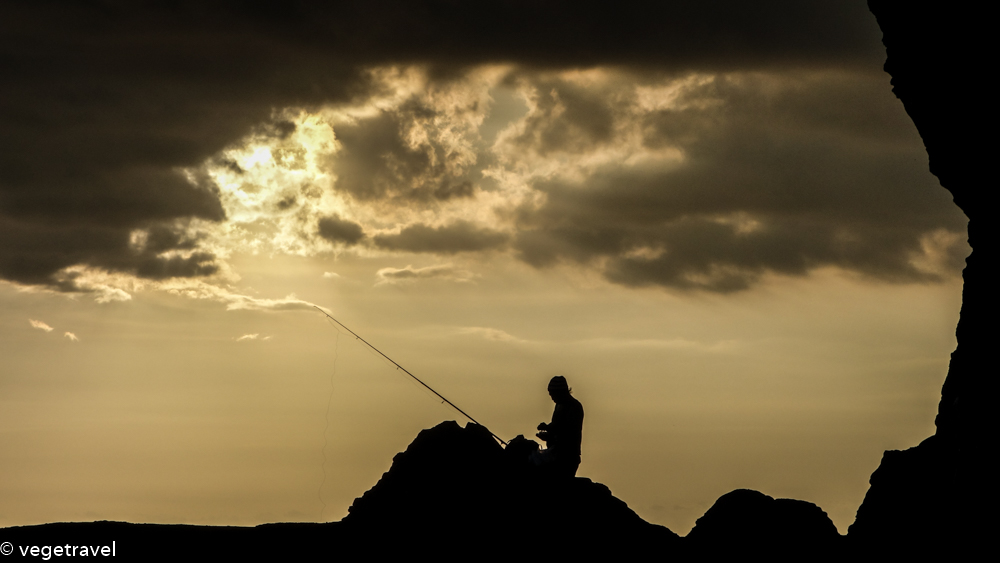
First, we hiked up a nearby hill to admire the beautiful views. There's also a walk down to the beach, and it's worth spending a few extra minutes there. Besides the beautiful views of the cliffs, temple, and ocean, you can also spy on worshippers praying and local fishermen harvesting crabs.
We decided to watch the sunset from above, from one of the cafes. The square is very crowded, but the view is better from above. The cafes have tables with a really good view of the temple. On the way back, we passed a cafe selling the famous luwak coffee. There were also civets. Which I liked, they weren't in a cage. There was also a wonderful bat, hanging upside down like Dracula, on a specially made pole. He can fly away whenever he wants; he's free, but he keeps coming back because he knows he'll get a delicious meal.


Entrance fee to the temple: IDR 30,000
The plan was fulfilled at 100%, although it took longer than planned. We had a driver, which is unfortunately the only option in Bali besides renting a scooter. Despite the lack of queues at the ticket counters, you still need to allocate about an hour to visit each temple complex. Tanah Lot requires more (if you want to see the sunset). The entire tour, from leaving our hotel in Ubud to returning, took us over 11 hours.